
You might have had your dental implant placed with a sense of relief. The bad tooth was gone, the gap was filled, and you could finally smile and chew without thinking about it. Then something changed. Maybe your gum around the implant started to look red or puffy. Maybe it bled when you brushed. Maybe you felt a dull ache that you kept hoping would just fade on its own. Merced dental implants.
If that sounds familiar, you are not imagining it. The tissue around an implant can get sick, very much like gums do around natural teeth. That condition is called peri implantitis, and it is essentially the implant version of gum disease. The good news is that when you understand what is happening and act early, you have a much better chance of saving both your implant and your peace of mind.
In short, peri implantitis is an infection and inflammation around a dental implant that can damage the bone holding it in place. It often starts quietly, with mild bleeding or tenderness, then can progress to bone loss and implant loosening if it is ignored. You will see what it is, what it feels like, why it happens, and what you can do today to protect your investment and your health.
What exactly is peri implantitis and how is it different from “regular” gum disease?
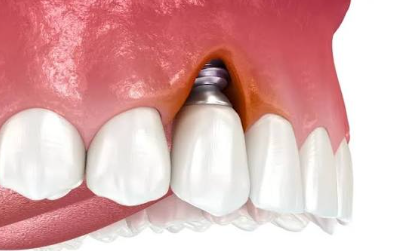
To understand peri implantitis, it helps to picture what supports your implant. Under the crown there is a metal post anchored in your jawbone. Around that post is gum tissue that needs to be healthy and snug, just like the gums around a natural tooth. When bacteria in dental plaque build up around that area, the gums react. First they get inflamed. Then the bone can start to break down.
When this happens around a natural tooth, it is called periodontitis. When it happens around an implant, it is called peri implant disease. According to the American Academy of Periodontology, there are two main stages. Peri implant mucositis, which means the gum tissue is inflamed but the bone is still intact. Peri implantitis, which means there is both inflammation and measurable bone loss. You can read more on their patient page on peri implant diseases and treatment options.
So where does that leave you if you are noticing bleeding, soreness, or a bad taste around your implant? It means your body is giving you early warning signals. The earlier you respond, the simpler and more successful treatment can be.
How does peri implantitis start and why can it feel so unfair?
For many people, the emotional sting is almost as strong as the physical discomfort. You may have spent significant money and time on your implant. You went through surgery, healing, and follow up visits. Now you are hearing that the area around it can still get infected. It can feel like you did everything right and are still facing another dental problem.
The truth is that peri implantitis usually builds slowly. It is often related to plaque control, smoking, diabetes, a history of gum disease, or bite forces that overload the implant. Sometimes small issues during the original dental implant placement and healing process can also play a role. None of this means you failed. It simply means the area around your implant needs the same daily care and regular monitoring that natural teeth do, and sometimes even a bit more.
Here is how the problem typically builds.
First, plaque sits undisturbed around the implant crown. Gums become red, swollen, and may bleed when brushed. At this stage, the bone is often still fine. This is more like gingivitis around an implant. Then, if the inflammation is not addressed, the bacteria and your immune response begin to damage the bone that supports the implant. You might notice a deeper pocket around the implant, a bad odor, or pus. In advanced cases the implant can feel loose, which is a sign that urgent care is needed.
Financially, ignoring these signs can be costly. Treating early inflammation might involve improved cleaning and a few professional visits. Treating advanced peri implantitis can involve surgery, bone grafting, or even removal and replacement of the implant. Emotionally, the idea of losing an implant you relied on can be draining. This is why understanding the warning signs and acting promptly can spare you a lot of future stress.
What are your options and how do the risks and benefits compare?
When you start to worry about your implant, you might wonder if you can handle it on your own with better brushing, or if you truly need an implant dentist or periodontist to step in. To make that decision clearer, it helps to compare common approaches for peri implantitis and related problems.
| Approach | What it involves | Best suited for | Potential risks if used alone |
|---|---|---|---|
| Improved home care only | More careful brushing, interdental brushes, water flosser, antibacterial mouthrinse | Very early gum redness or occasional bleeding with no pain or bone loss | Can give a false sense of security. Does not remove hardened deposits or treat deeper pockets. |
| Professional cleaning around implant | Implant safe instruments, polishing, and hygiene guidance from a dental professional | Peri implant mucositis. Bleeding and inflammation without confirmed bone loss | If bone loss is already present, cleaning alone may not stop progression. |
| Non surgical peri implantitis treatment | Deep cleaning, local antiseptics or antibiotics, bite adjustment, close monitoring | Early peri implantitis with mild bone loss and stable implant | May not be enough for advanced cases. Delay in surgery can allow more bone loss. |
| Surgical peri implantitis treatment | Opening the gum, cleaning infected surfaces, possible bone grafting or regenerative procedures | Moderate to advanced peri implantitis where the implant is still reasonably stable | Higher cost and healing time. Does not guarantee full recovery if disease is very advanced. |
| Implant removal and replacement | Removing the failing implant, rebuilding bone if needed, placing a new implant later | Severe bone loss or loose implant that cannot be predictably saved | Emotional and financial impact. Longer treatment timeline. May need alternative solutions. |
The American Academy of Periodontology and other expert groups emphasize that peri implant disease is treatable, especially in earlier stages. For more background on how these conditions are defined and managed, you can review this plain language overview of peri implant diseases and their risk factors.
Three steps you can take right now to protect your dental implant
1. Check for warning signs and write them down
Today, take a quiet moment with a mirror and good light. Gently lift your lip and look around the implant. Notice any redness, puffiness, or shiny gum tissue. Pay attention to bleeding when you brush or floss, bad taste, odor, or tenderness when you press lightly on the gum. If the implant crown feels different when you bite, or if anything feels loose, that is important too. Write down what you see and feel, and when it started. This record will help your dental professional understand the timeline and choose the right response.
2. Upgrade your daily cleaning around the implant
Even if you are brushing twice a day, implants often need a bit more targeted care. Use a soft toothbrush and angle the bristles toward the gumline. Consider small interdental brushes designed for implants to clean between the implant and neighboring teeth. Many patients find a water flosser helpful, especially if they struggle with regular floss. The goal is not to scrub hard. The goal is to gently disrupt plaque every day so it does not sit and trigger inflammation.
If you notice bleeding or soreness, do not stop cleaning that area. That bleeding is usually a sign that the tissue is inflamed, not that you are harming it. Gentle but consistent cleaning, combined with professional care, is what helps it heal.
3. Schedule a focused evaluation with an implant dentist or periodontist
If you suspect peri implant gum disease, you need more than a quick glance during a routine checkup. Ask specifically for a periodontal or implant health evaluation. This should include measuring the pocket depth around the implant, checking for bleeding and pus, and taking an X ray to see the bone level. A trained dentist or periodontist can then explain clearly whether you are dealing with early inflammation or established peri implantitis, and what the realistic options are.
During that visit, speak openly about your fears, your budget, and your priorities. A good provider will not pressure you. Instead, they will walk you through what can be done now, what can wait, and what might happen if you choose to do nothing. That conversation is where prevention, treatment, and your long term health plan come together.
See also: Top Strategies for Getting Affordable Academic Support This Semester
Moving forward with clarity and confidence
Hearing the phrase peri implantitis treatment can feel heavy, especially when you thought the implant was the end of your dental struggles. It is understandable to feel frustrated or even a bit betrayed by your own mouth. You are not alone in that feeling, and you are not out of options.
Peri implantitis is the implant version of gum disease, which means it follows patterns that dental professionals understand well. With early attention, careful home care, and guided treatment, many implants can be stabilized and maintained for years. Even in tougher cases, there is usually a clear path forward, whether that means trying to save the implant or planning a thoughtful replacement.
You do not have to solve this on your own. Reach out to a trusted implant dentist or periodontist, bring your questions and your concerns, and ask for a clear plan. The most important step is the one you take now, while there is still time to protect both your health and the investment you have already made in your smile.