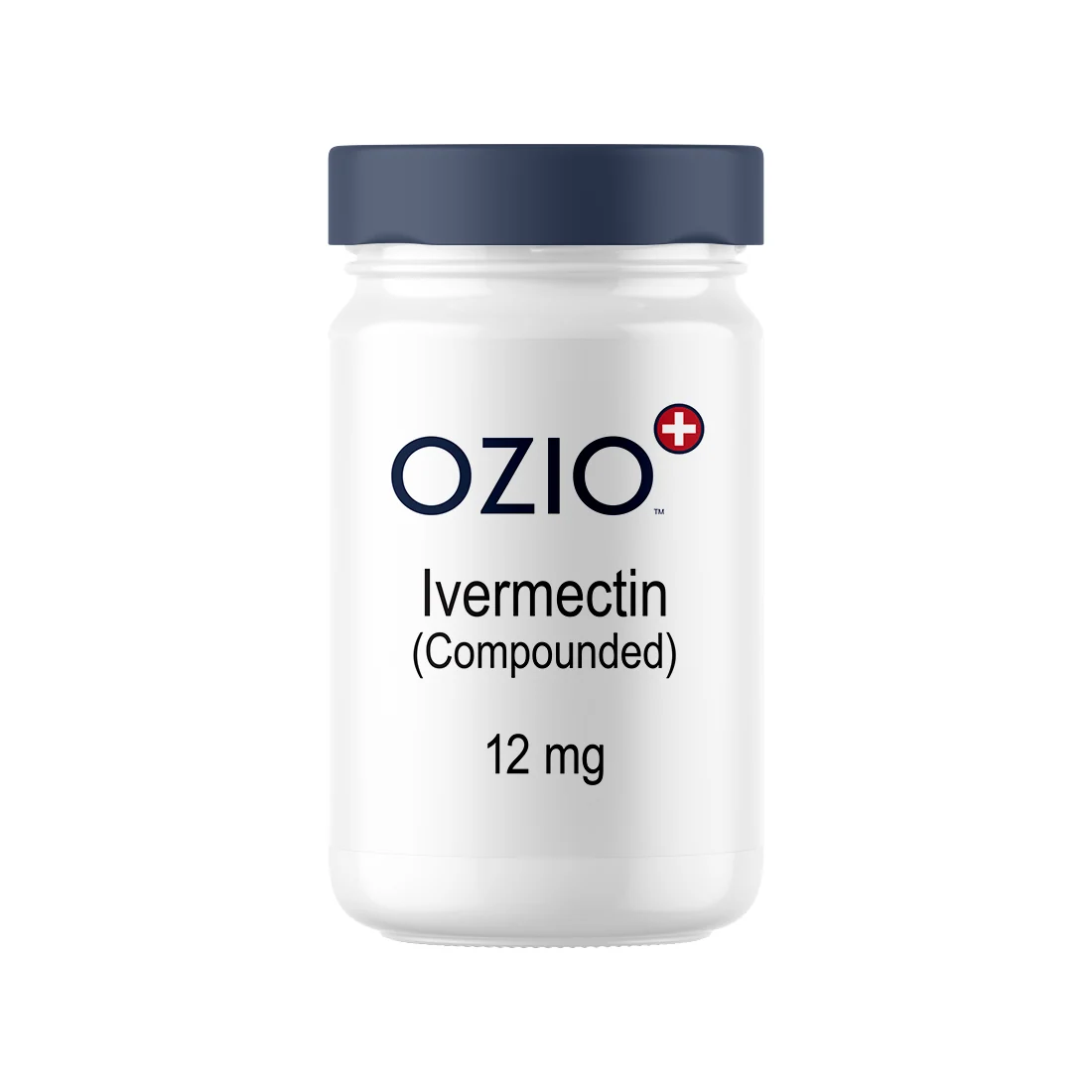

Ivermectin is an antiparasitic medicine available in prescription formulations for certain human infections. People may encounter ivermectin in commercially manufactured tablets as well as compounded preparations made by a pharmacy. Although both can contain the same active ingredient, they are not necessarily the same in terms of formulation, manufacturing oversight, dosage form, or regulatory status.
Readers seeking more information about ivermectin 12 mg tablets can review available product details, dosage information, and prescribing guidance before discussing treatment options with a qualified healthcare professional.
What Are Ivermectin Tablets?
Commercial ivermectin tablets are manufactured products produced according to an approved drug application. For example, the U.S. labeling for Stromectol identifies the tablet strength as 3 mg and lists its inactive ingredients, including microcrystalline cellulose, pregelatinized starch, magnesium stearate, butylated hydroxyanisole, and citric acid. Generic ivermectin tablets are also available in 3 mg strengths.
The product’s labeling provides information about approved uses, administration, warnings, interactions, storage, and other prescribing considerations. This information gives healthcare professionals a defined reference when selecting and prescribing the medication.
A prescribed 12 mg dose may involve multiple 3 mg tablets rather than a single 12 mg tablet. The appropriate amount depends on the medical condition, patient characteristics, and prescribing instructions. Patients should not calculate or change their ivermectin dose independently.
What Is a Compounded Ivermectin Form?
A compounded medication is prepared by a pharmacy or other permitted compounder rather than manufactured as an FDA-approved finished drug product. Compounding can involve altering the form, ingredients, strength, or other characteristics of a medication to address a particular patient’s needs.
For example, a pharmacist may prepare a formulation when a patient cannot use an available dosage form or needs an ingredient removed because of an allergy. Compounding can also involve a different dosage form when a commercially available product does not meet a specific medical requirement.
Compounded ivermectin may therefore be prepared in a form that differs from commercially manufactured tablets. The exact ingredients, concentration, physical characteristics, and directions depend on the prescription and the pharmacy preparing the product.
Strength Is Not the Same as Formulation
A 12 mg amount of ivermectin does not automatically describe the entire medication.
Two preparations could contain the same total amount of active ingredient while having different inactive ingredients, physical characteristics, or dosage forms. One may be a commercially manufactured tablet, while another could be a pharmacy-prepared capsule or another formulation.
This distinction matters because inactive ingredients can affect characteristics such as tablet structure, taste, dissolution, and suitability for people with particular sensitivities. A compounded preparation may also be designed around a patient’s specific requirements.
For this reason, patients should compare the complete prescription label rather than focusing only on the number of milligrams.
Manufacturing and Regulatory Differences
The biggest difference between commercially manufactured ivermectin tablets and compounded forms is the regulatory pathway.
FDA-approved medications undergo review for safety, effectiveness, and quality before approval. Compounded drugs are not FDA-approved, so FDA does not conduct the same premarket review of their safety, effectiveness, and manufacturing quality.
This does not mean every compounded medication is unsafe. Compounding can meet legitimate medical needs, and federal law establishes different requirements for different types of compounders. FDA-registered outsourcing facilities, for example, are subject to current good manufacturing practice requirements and FDA inspections.
The distinction is still significant because patients should not assume that a compounded preparation has undergone the same review as an FDA-approved commercial tablet.
Consistency and Quality Control
Commercial tablets are produced through standardized manufacturing processes. Each finished product is expected to meet established specifications for identity, strength, quality, and other characteristics.
Compounded preparations can also be prepared under appropriate professional and regulatory standards, but the process is different. FDA has identified risks associated with poor-quality compounded drugs, including contamination and products containing too much or too little active ingredient.
The pharmacy’s practices therefore matter. Patients receiving a compounded ivermectin preparation should know which pharmacy prepared it, how the medication is labeled, and how it should be stored and used.
Buying compounded medication from an unknown or unlicensed source can introduce additional concerns. FDA advises consumers to research online pharmacies and remain cautious about prescription medicines obtained from unregulated sources.
Why Might a Prescriber Choose a Compounded Form?
Compounding is generally considered when a patient’s medical needs cannot be met by an available approved medication.
A patient might have difficulty swallowing a particular tablet, require a dosage form that is not commercially available, or need an ingredient omitted because of a documented sensitivity. FDA gives examples such as patients who need a liquid formulation because they cannot swallow tablets or capsules.
The decision should come from a healthcare professional who understands the patient’s condition and medication requirements. A compounded product should not automatically be viewed as a stronger, safer, or more effective alternative to an approved product.
Safety Should Guide the Choice
Ivermectin is a prescription medication, and its use should be based on an appropriate diagnosis and professional medical advice. The approved labeling includes specific indications and dosing information for certain parasitic infections. It does not establish ivermectin as a general treatment for unrelated conditions.
Patients should also provide their healthcare professional with a complete list of prescription medicines, over-the-counter products, and supplements they use. This allows potential interactions and other safety concerns to be considered before treatment.
The same principle applies to compounded ivermectin. A pharmacy-prepared medication should be used exactly according to its prescription label rather than compared with another product and adjusted independently.
Questions to Ask Before Filling a Prescription
A few practical questions can help clarify the difference between products:
- Is the prescribed product commercially manufactured or compounded?
- What is the exact strength and dosage form?
- Why is a compounded preparation being recommended?
- Which pharmacy or facility is preparing the medication?
- What inactive ingredients are included?
- How should the medication be stored?
- What instructions apply if a dose is missed or an adverse reaction occurs?
These questions can help patients understand what they are receiving without making assumptions based solely on the number printed on the label.
Choosing Based on Medical Need
Commercial ivermectin tablets and compounded ivermectin preparations can serve different purposes. A commercially manufactured tablet offers a standardized, approved product with established labeling. A compounded preparation may be appropriate when a patient’s needs cannot be met by an available approved formulation.
A 12 mg prescription should therefore not be treated as a signal that one formulation is automatically preferable. In the U.S., commercially manufactured ivermectin tablets are commonly supplied in 3 mg strength, while a 12 mg dose may involve the prescribed number of those tablets. Compounded preparations can have different strengths or dosage forms, but their use should be based on a legitimate medical need and professional direction.
Understanding these differences makes it easier to discuss treatment options with a prescriber and pharmacist. The most appropriate formulation depends on the patient’s diagnosis, prescription, medication requirements, and the availability of a suitable approved product.