
You catch your teeth in the mirror and something feels off. The edges look shorter. The front teeth seem flatter. Maybe there are little chips, or your smile has started to look older than you feel. That can be hard to ignore once you notice it. You are not being vain. Worn teeth can change how you look, how you bite, and how comfortable you feel when you eat or speak. In some cases, discreet orthodontic treatment in Weston may also help address underlying bite issues that contribute to uneven wear.
The tricky part is knowing what to do next. You want your teeth to look natural, not bulky or overly done. You may be worried that fixing wear means crowns on every tooth or a smile that no longer looks like yours. In many cases, that is not the goal at all. Cosmetic treatment for worn teeth often works best when it is conservative, planned carefully, and built around preserving as much healthy tooth structure as possible.
Worn teeth change more than appearance
Tooth wear usually happens slowly, which is why people often miss it at first. Grinding, clenching, acidic drinks, reflux, nail biting, and simple aging can all play a part. Sometimes decay is also in the picture, and learning the basics of tooth decay and enamel damage helps explain why teeth may weaken over time.
At first, the issue may seem cosmetic. Then the small signs add up. Your front teeth chip more easily. You avoid smiling in photos. Food catches where it did not before. You wake up with jaw tension. If the wear keeps going, your bite can shift and the teeth may become more sensitive. What looked like a minor shape issue starts affecting daily life.
This is where people often get stuck. They either put it off because they fear aggressive treatment, or they search for a quick cosmetic fix that does not address the cause. Neither route tends to end well. If grinding is wearing down the edges, simply bonding the teeth without protecting them can mean repeat repairs. If acid erosion is softening enamel, adding restorations without dealing with the acid source can shorten their life.
See also: How Family Dentistry Helps Parents Recognize Early Bite Changes
Natural looking smile restoration starts with restraint
The best natural looking smile restoration is not about making every tooth perfect. It is about rebuilding what has been lost in a way that fits your face, your bite, and your habits. That may mean smoothing a small chip, adding bonding to worn edges, using porcelain veneers on selected teeth, or placing crowns only where the tooth is too damaged for a lighter option.
A conservative dentist looks at more than color and shape. They check how your teeth come together, whether you grind at night, how much enamel remains, and whether your gums frame the smile evenly. They also ask a question many patients are relieved to hear. How little can we do and still get a stable result?
That approach matters. Overbuilding worn teeth can make them look thick or feel foreign in your mouth. Under-treating them can leave you with a result that breaks down quickly. The sweet spot is careful planning, often with trial shapes or mockups, so you can see changes before anything major is done.
Conservative cosmetic dentistry balances beauty and function
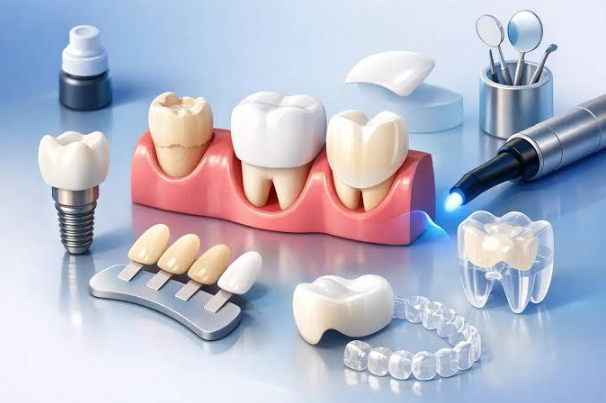
Conservative cosmetic dentistry usually starts with the least invasive option that can hold up. Composite bonding is a common choice for mild to moderate wear because it can restore length and contour with little or no drilling. Veneers may make sense when the front teeth need more durable shape and color correction. Crowns are usually reserved for teeth with larger structural loss, cracks, or heavy existing fillings.
Sometimes treatment is staged. A person who clenches may begin with a night guard and a few bonded areas to test a new bite position. Someone with acid erosion may need medical or diet changes first. MedlinePlus offers practical guidance on how to care for your teeth and gums, and those basics still matter even when cosmetic work is part of the plan.
| Option | Best For | Tooth Reduction | Look and Feel | Main Limitation |
|---|---|---|---|---|
| Cosmetic bonding | Small chips, shortened edges, mild wear | Minimal to none | Natural when shaped well | Can stain or chip over time |
| Porcelain veneers | Front teeth with wear plus shape or color concerns | Usually limited | Very lifelike and stable | Higher cost, not ideal for every bite |
| Crowns | Teeth with major wear, cracks, or large fillings | More removal than bonding or veneers | Strong and protective | More invasive |
| Night guard | Grinding and clenching | None | Protective, not cosmetic by itself | Does not restore lost tooth shape |
Cost matters too. Bonding often has a lower upfront cost, but it may need touch ups. Porcelain usually lasts longer but costs more at the start. A full plan should include the likely maintenance, not just the day one fee. That gives you a more honest picture of what the treatment really asks of you.
Small decisions now can prevent bigger treatment later
Step 1: Track the pattern of wear. Take clear photos of your teeth from the front and side, and note any sensitivity, jaw soreness, or recent chips. That record helps show whether the wear is active and what may be driving it.
Step 2: Ask for a conservative treatment plan. During your visit with a general and cosmetic dentist, ask which options preserve the most enamel, which teeth truly need treatment, and whether a trial mockup is possible. If every tooth is being proposed for major work, ask why.
Step 3: Protect the result. If grinding, acid exposure, or bite imbalance caused the wear, deal with that at the same time. A night guard, diet changes, reflux care, and regular checkups often make the difference between a restoration that lasts and one that keeps needing repairs.
Restoring worn teeth should still look like you
You do not need to choose between doing nothing and doing too much. Teeth can often be rebuilt in a measured way that restores shape, softens wear, and keeps your smile believable. The right plan respects what is healthy, fixes what is vulnerable, and avoids turning a repair into an overhaul.
If your teeth look shorter, flatter, or more chipped than they used to, schedule an evaluation with a general and cosmetic dentist and ask for a conservative approach to worn tooth repair. A thoughtful plan now can protect your teeth and help your smile feel like your own again.