
You already know flossing matters. That is rarely the problem. The problem is the nightly scramble, the tired kids, the bathroom traffic jam, and that quiet little thought that says brushing is probably enough for tonight. A lot of households fall into that pattern, and it usually stays that way until someone has sore gums, a rough dental visit, or a child starts thinking floss is optional forever. At Kathryn A. Siemens, DDS, Inc. in Fresno, families are often reminded that small nightly habits can make a big difference.
Building a flossing routine at home does not require perfect parenting or a bathroom chart worthy of a school project. It usually comes down to making the habit easy, visible, and normal. If you want a cleaner, calmer routine, these five changes tend to work because they fit real life instead of fighting it.
Flossing becomes a habit when it feels automatic
Most families do not skip flossing because they are careless. They skip it because the habit has too many points of friction. The floss is in a drawer. One child hates the string. Another says their gums bleed. An adult promises to do it later, then forgets. That pattern matters because plaque settles between teeth where a toothbrush cannot reach, and over time that can lead to gum irritation and decay.
The link between daily care and gum health is well established. The CDC shares oral health tips for adults that include brushing, flossing, and regular dental visits. That advice applies to households too. Kids learn what normal looks like by watching the adults around them, so when flossing is treated as a standard part of the evening, it stops feeling like a punishment.
This is where many families get stuck. They try to rely on motivation, and motivation is weak at 8:45 p.m. Habits last when the task is simple enough to do even on a messy day. That is the real goal with family flossing tips. You are not aiming for a perfect routine. You are building one that survives ordinary life.
Five ways to make flossing part of your family routine
Keep floss where people actually need it. One container by each sink works better than one shared pack hidden in a cabinet. If your children use a different bathroom from you, set up both spaces. Visibility cuts excuses before they start.
Use the type of floss people will actually use. Some people like traditional string floss. Some do better with floss picks. If braces, tight contacts, or sensitive gums are part of the picture, comfort matters. A product that gets used beats the ideal product that stays unopened.
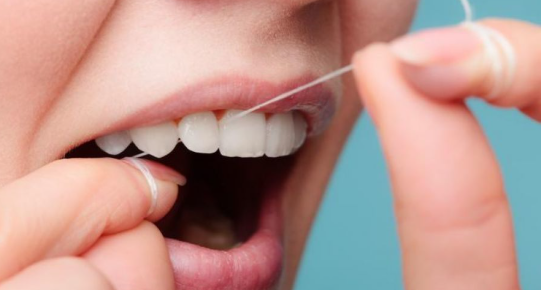
Tie flossing to something your family already does every day. The easiest cue is brushing. Brush, then floss, then rinse, same order every night. A habit sticks faster when it follows an action that is already automatic.
Make it a group norm instead of a solo chore. Young children copy what they see, and older kids push back less when the rule applies to everyone. If one parent flosses in front of the mirror while a child does the same, the routine feels shared instead of imposed.
Track consistency, not perfection. A simple calendar, sticker chart, or phone reminder can help. Missing one night should not turn into missing a week. The win is getting back to the routine quickly.
Gum problems often start quietly and get expensive later
Bleeding gums are easy to brush off, especially if they only happen now and then. The trouble is that gum disease often begins with mild symptoms that people normalize. According to the CDC page on gum and periodontal disease, gum disease can range from early inflammation to more serious damage that affects the tissues and bone supporting the teeth.
That slow build is why a small habit at home matters so much. If flossing is inconsistent, plaque stays between teeth and along the gumline. Then come the warning signs people tend to ignore, tenderness, bleeding, bad breath, or a child saying one spot hurts when they floss. The National Institute of Dental and Craniofacial Research answers common questions in this expert guide to gum disease, and one point stands out. Prevention is easier than treating disease after it settles in.
A daily flossing routine is not about chasing perfection. It is one of the simplest ways to reduce future dental stress, missed school, missed work, and treatment costs.
Simple tools often decide whether flossing happens at all
| Approach | Best For | Common Barrier | Household Benefit |
|---|---|---|---|
| String floss | Teens and adults with good technique | Feels awkward or time consuming | Low cost and effective for tight spaces |
| Floss picks | Kids, beginners, busy evenings | Can be used too quickly without full coverage | Easy to grab and easier to keep visible |
| Water flosser | Braces, dental work, sensitive gums | Higher cost and counter space | Useful for people who resist string floss |
| Shared family schedule | Households building consistency | Falls apart without a clear cue | Turns oral care into a predictable routine |
There is no prize for choosing the hardest option. The best setup is the one your household can repeat. If a child uses picks every night and an adult prefers string floss, that is still a strong oral care habit. The broader goal is regular cleaning between the teeth, supported by checkups with a family dentist who can catch problems early.
Small changes create lasting oral care habits
Set up the bathroom for success. Put floss in plain sight, add a small trash bin if picks are part of the routine, and remove the need to search for supplies. Convenience is not laziness. It is how habits survive tired evenings.
Use one cue and keep it fixed. Choose the same moment every day, usually right after brushing at night. Keep the sequence identical. Repetition teaches the brain faster than reminders alone.
Address discomfort early. If flossing hurts every night, if gums bleed often, or if a child avoids one area, do not turn it into a battle. Schedule a visit with a family dentist. Sometimes the issue is technique. Sometimes it is early gum irritation that needs attention.
Steady routines beat perfect intentions
You do not need a flawless system to raise kids with strong oral health habits. You need a routine that feels normal enough to repeat tomorrow. That is how 5 Ways To Make Flossing A Household Habit becomes more than a nice idea. It becomes part of the way your home works, one small step at a time.
If your family needs help building a routine that fits your real life, schedule a visit with a family dentist and get practical guidance that makes flossing easier to keep up with.