
Winter in Pakistan isn’t one season. It’s several.
Karachi gets a short, mild chill. Lahore and Islamabad swing between foggy mornings and sunny afternoons. Up north, it’s properly cold. That’s why a winter collection that looks perfect online can feel wrong once you wear it.
The trick is shopping for your weather, not just for the photo. This guide shows you how to read a winter collection in Pakistan, match fabrics to your climate, and build a wardrobe you’ll actually reach for.
Start With Your Climate, Not the Trend
Before you browse, think about where you’ll be wearing your clothes.
Mild winters (such as coastal cities): You need light layers you can add or remove. A cardigan, a light shawl, or a thin jacket usually does the job.
Moderate winters (such as much of Punjab and Islamabad): Mornings and evenings are cold, afternoons are milder. Layering is your best friend here: a fitted base, a warm middle layer, and a jacket or shawl you can take off.
Cold winters (such as the northern regions): You need real insulation. Think thick knits, wool blends, fleece lining, and heavier outerwear.
Knowing which group you’re in changes everything you buy.
Fabrics Worth Knowing
Pakistani winter wardrobes lean on a familiar set of fabrics. Each one behaves differently.
Khaddar and karandi
Both are popular for winter suits. They’re textured, breathable for their warmth, and work well for everyday and semi-formal wear. They suit moderate winters particularly well.
Wool and wool blends
Wool traps heat effectively. Blends are often easier to care for and can feel softer against the skin. Check the label if you’re sensitive to scratchy textures.
Fleece and brushed cotton
These are everyday comfort fabrics for sweatshirts, hoodies, and loungewear. They’re warm without feeling stiff, which makes them practical for daily use.
Velvet and heavier festive fabrics
These work well for weddings and winter events. They look rich, but they’re less versatile for daily wear, so treat them as occasion pieces.
Shawls and wraps
A good shawl does a lot of work. It adds warmth, finishes an outfit, and can lift a simple suit for dressier occasions.
Build a Small Wardrobe, Not a Big One
You don’t need dozens of pieces. A compact, well-planned set often works better.
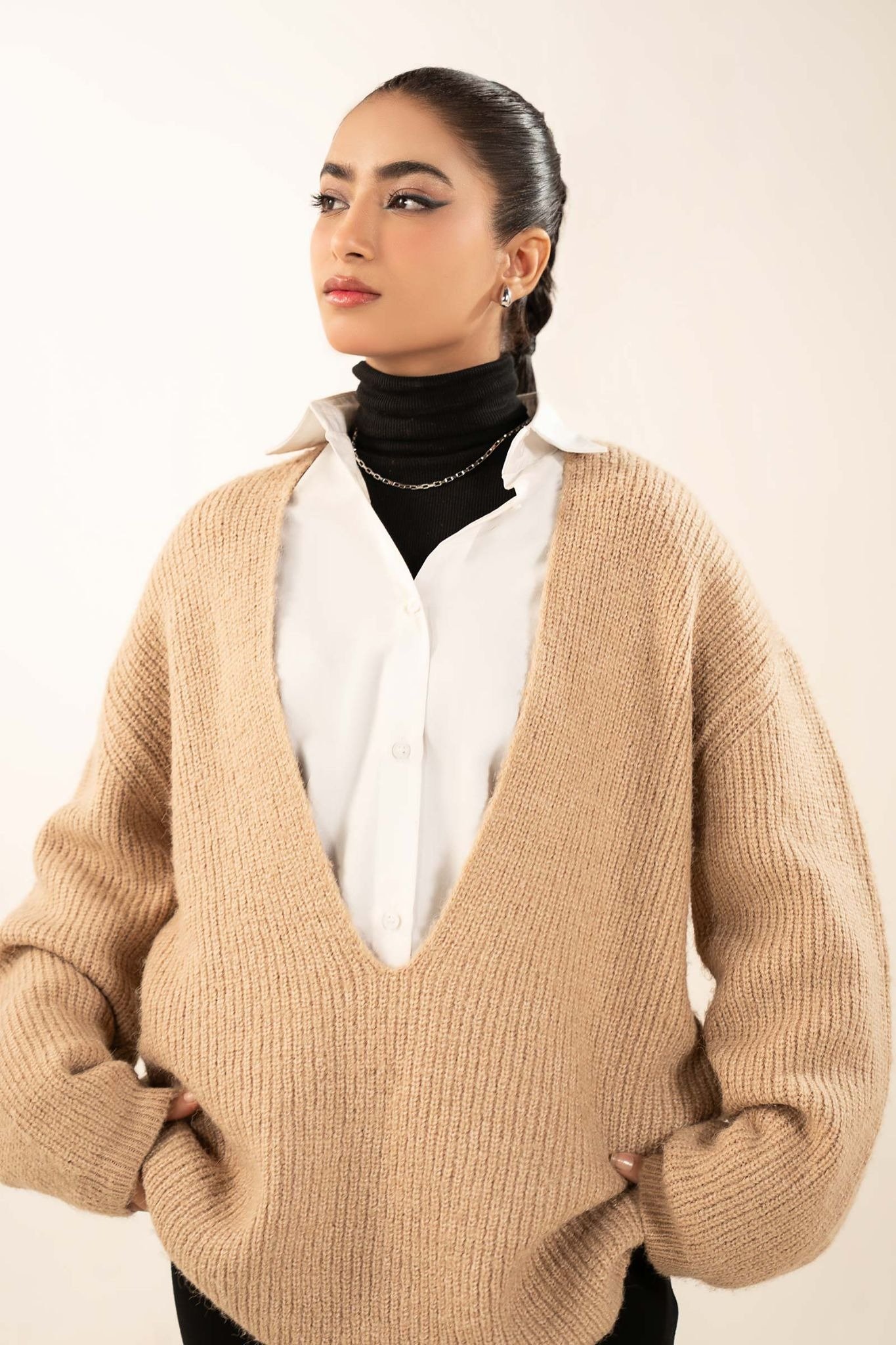
Everyday core: Two or three comfortable pieces you can rotate through work, errands, and family visits. Plain sweatshirts, knitwear, or warm suits in neutral colours work best.
One dressier option: A winter suit, jacket, or shawl combination for gatherings and events.
One outer layer: A jacket or coat you can wear over almost anything.
A few small extras: Socks, a scarf, or a cap. These cost little and make cold mornings noticeably easier.
What to Check Before You Buy
Winter clothing gets worn heavily and washed often, so small details matter.
- Fabric description: Look for the material, not just the name of the collection.
- Size chart: Compare it with a piece you already own that fits well. Leave room for layering where it makes sense.
- Care label: Choose pieces that match how you realistically wash clothes. Some wool and delicate fabrics need gentler handling.
- Stitching and finish: Check seams, cuffs, and hems in the product photos when you can.
- Return or exchange terms: Read these before you order, especially when buying online.
Colours That Make Dressing Easier
Winter is a good time to lean on a limited palette. Charcoal, black, navy, olive, brown, and cream all pair easily, which means more outfits from fewer pieces.
If you want colour, add it through one item, such as a shawl or scarf. It’s easier to refresh a wardrobe that way than by replacing everything.
When to Shop
Popular sizes and colours can sell out as the season builds, so shopping a little earlier gives you a better choice. That said, don’t rush before you’ve checked what you already own. Buying to fill a real gap always beats buying because something looks good on screen.
If you shop online, allow some time for delivery and possible size exchanges, so the cold doesn’t arrive before your clothes do.
How many winter outfits do I need? It depends on your routine and climate, but a small rotation covers most people: a few everyday pieces, one dressier option, and one outer layer.
Which fabrics are best for daily winter wear? Fleece, brushed cotton, khaddar, and wool blends are common choices, each suited to different temperatures and tastes. Match the fabric to how cold your days actually get.
Should I buy a size up for winter? Only if you plan to layer heavily underneath. Check the size chart first, since cuts vary between brands and styles.
Can I mix new pieces with what I already own? Yes. Stick to colours you already wear and the new items will slot in easily.
Ready to Shop Your Winter Collection?
A good winter wardrobe starts with a little honesty: what your weather needs, what you already own, and what you’ll genuinely wear.
Browse the collection with that checklist in hand, check the fabric and size details on each product page, and start with the one piece that fills your biggest gap.