
You notice it in small moments first. You chew on one side because the other feels off. You cover your mouth when you laugh. You avoid photos, then tell yourself it is not a big deal, even though it keeps showing up in your day. When a tooth is chipped, worn down, crooked, stained, or missing, the problem is rarely just cosmetic. It can affect how you eat, speak, clean your teeth, and feel around other people, helping Riverside families maintain healthy smiles.
That is why many people look for treatment that does more than brighten a smile. The best cosmetic dental work often improves comfort and function at the same time. A general and cosmetic dentist may recommend options that restore damaged teeth, replace missing ones, and make your bite feel more balanced. If you have been trying to decide whether cosmetic treatment is practical or just optional, the answer is often simpler than it seems. Some procedures change how your smile looks, but they also help your mouth work better every day.
Cosmetic dentistry often solves daily problems, not just appearance concerns
The phrase cosmetic dentistry can sound like it is only about looks. In real life, many cosmetic dentistry procedures address problems that keep getting worse when they are ignored. A cracked front tooth may seem minor until it catches on food or becomes painful. A gap from a missing tooth may not bother you at first, then nearby teeth begin to shift. According to MedlinePlus information on dental crowns, crowns are commonly used to restore the shape, strength, and appearance of damaged teeth. That is a functional fix and an aesthetic one at the same time.
Function matters because your teeth work as a team. When one tooth is weak, missing, or out of line, the rest pick up the extra load. You may grind more, bite your cheek, or feel jaw tension by the end of the day. That is why the right treatment plan looks beyond the mirror. It asks what your teeth need to stay stable and comfortable over time.
Dental crowns restore strength while improving shape and color
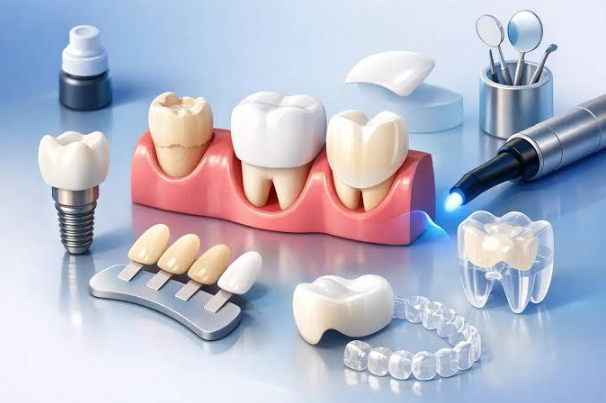
Crowns are one of the most common ways to repair a tooth that is broken, worn, heavily filled, or weakened after root canal treatment. They cover the visible part of the tooth and protect it from further damage. If you have a tooth that feels fragile when you chew, a crown can help you bite with more confidence.
Crowns also improve appearance because they can be matched to the color and contour of your natural teeth. That matters when a front tooth has darkened or chipped, but it matters just as much in the back of the mouth where strength is the priority. A tooth that looks normal and works normally stops drawing your attention every time you eat.
Dental bonding and veneers improve worn or uneven teeth
Small flaws can create bigger problems than people expect. A chipped edge can affect speech. Uneven teeth can trap food and make brushing harder. Teeth that have worn down from grinding may look shorter, but they can also change the way your bite meets.
Bonding uses tooth colored resin to reshape small areas. Veneers cover the front surface of teeth to improve color, shape, and minor alignment concerns. Both can make a smile look more even, and in the right case, they also help restore smoother surfaces and better tooth contact. If you have been living with a chip that keeps catching on your lip or a worn edge that makes your smile look tired, this kind of treatment can feel like a real repair, not vanity.
Orthodontic treatment can improve bite alignment and smile balance
Straighter teeth are easier to clean, but the bigger issue is often bite function. When teeth overlap or sit out of position, they can wear unevenly and place extra pressure on certain areas of the jaw. Clear aligners or braces may be recommended as part of smile enhancement treatments because alignment affects both appearance and long term oral health.
The National Institutes of Health explains in its overview of oral health and dental conditions that tooth position and oral structure can influence chewing, cleaning, and disease risk. If your front teeth look crowded, the concern is not only how they appear in photos. It may also be why flossing is frustrating and why plaque keeps building in the same places.
Dental implants replace missing teeth and protect your bite
A missing tooth changes more than your smile. It can affect speech, chewing, and the position of nearby teeth. You may start avoiding certain foods without realizing it. You may also chew harder on one side, which can lead to uneven wear and soreness.
Dental implants replace the root and visible tooth, giving you support that feels more stable than a removable option for many patients. They also help maintain spacing in the mouth, which protects bite balance. Among the 4 cosmetic dentistry procedures that improve function and appearance, implants often have the clearest link between aesthetics and daily use. They fill the gap you see and support the function you feel every time you eat.
Comparing cosmetic dental procedures by function, appearance, and upkeep
| Procedure | Best For | Functional Benefit | Appearance Benefit | Typical Maintenance |
| Dental Crown | Cracked, weak, or heavily restored tooth | Protects tooth and restores chewing strength | Improves shape and color | Routine brushing, flossing, regular exams |
| Bonding or Veneers | Chips, wear, uneven edges, discoloration | Smooths surfaces and may improve bite contact in select cases | Creates a more even, brighter smile | Avoid biting hard objects, regular cleanings |
| Clear Aligners or Braces | Crowding, spacing, mild to moderate bite issues | Improves alignment and cleaning access | Straighter smile | Retainers after treatment, good oral hygiene |
| Dental Implant | Missing tooth | Restores chewing support and helps prevent shifting | Fills visible gap naturally | Daily hygiene and professional monitoring |
Practical steps help you choose the right cosmetic dental care
Notice what is bothering you in daily life. Write down the real issues, not just the visual ones. Pain when chewing, food trapping, speech changes, jaw tension, or avoiding certain foods all matter. That gives your dentist a clearer picture of what needs to be fixed.
Ask for options based on function first. A good treatment plan should explain what each procedure does for strength, bite, and long term stability. If two treatments improve appearance, the better choice may be the one that protects your teeth more effectively.
Choose a qualified dental provider and keep up with follow up care. Cosmetic results last longer when the underlying oral health is stable. If you need help finding a provider, the National Institute of Dental and Craniofacial Research offers guidance on finding dental care. Cleanings, exams, and bite checks are part of protecting your investment.
You do not need to keep living around a smile that feels weak, uncomfortable, or hard to trust. The right cosmetic dental procedures can improve the way your teeth look and the way they function, which often means easier meals, clearer speech, and less self-consciousness in everyday moments. If you are ready to explore your options, schedule a visit with a general and cosmetic dentist and ask which treatment can restore both appearance and function for your smile.