
You might be doing what many families do, which is trying to stay ahead of problems before they turn into stress, pain, or a stack of bills. One week it is a school form, the next it is a checkup you meant to schedule months ago, and somewhere in the middle you are trying to make thoughtful choices for everyone in your home. That can feel like a lot. The good news is that preventive care does not have to be complicated, especially when working with a trusted dentist in Honolulu. In simple terms, the goal is to keep small issues small, and to catch silent problems before they change daily life.
When people talk about preventive health services for families, they often think only about yearly doctor visits. That matters, of course, but there is more to it. A strong prevention plan often includes routine medical checkups, vaccines, screening tests, and regular visits with a family dentist. If you build around those four services, you give your family a better chance to stay healthy, avoid missed school or work, and reduce the risk of expensive treatment later.
Why do families put off preventive care even when they know it matters?
Most families do not ignore prevention because they do not care. They put it off because life gets crowded. Maybe a child seems fine, so a dental visit slips down the list. Maybe you feel healthy, so an adult checkup does not seem urgent. Because of this tension, you might wonder whether these appointments really make a difference if no one is sick right now.
They do. Preventive visits help spot things early, when they are easier to manage. A routine medical appointment can uncover high blood pressure, changes in weight, or concerns about sleep and stress. The Office of Disease Prevention and Health Promotion explains why regular checkups for adults matter, even when you feel well. The same idea applies across the family. Children need growth tracking, developmental support, and guidance on nutrition and safety. Older adults may need closer monitoring for chronic conditions that can develop quietly over time.
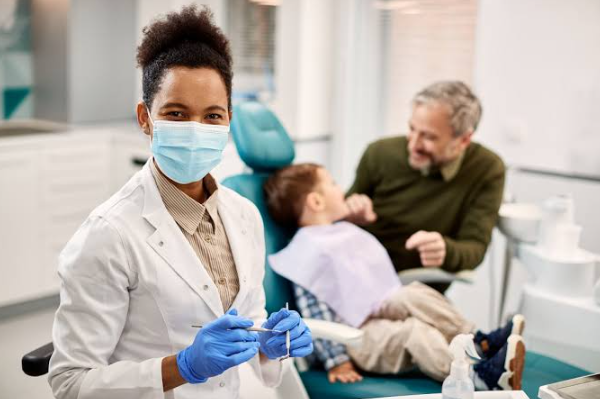
And then there is dental care, which is often treated as separate from overall health when it really is not. A family dentist can help prevent cavities, gum disease, and oral pain that can affect eating, sleep, speech, and confidence. If a child has a small cavity today, that is a much easier problem to handle than a toothache that leads to an emergency visit next month. If an adult has bleeding gums now, early care may help prevent worse problems later. That is why many families include preventive care services as part of their normal routine, not just something they think about in a crisis.
Which 4 preventive care services should families think about first?
The first is routine primary care checkups. These visits create a baseline for health, track changes over time, and offer a place to ask questions before a concern becomes urgent. The second is vaccinations. Staying current with immunizations protects not only the person getting the vaccine, but also babies, older relatives, and others who may be more at risk. The CDC provides current immunization schedules that can help families understand what is recommended by age.
The third is screening tests. These are not one size fits all, which is why age, sex, family history, and personal risk matter. Depending on the person, screenings may include blood pressure checks, cholesterol testing, cancer screenings, diabetes screening, or mental health assessment. The U.S. Preventive Services Task Force offers a helpful guide to recommended preventive screenings based on evidence.
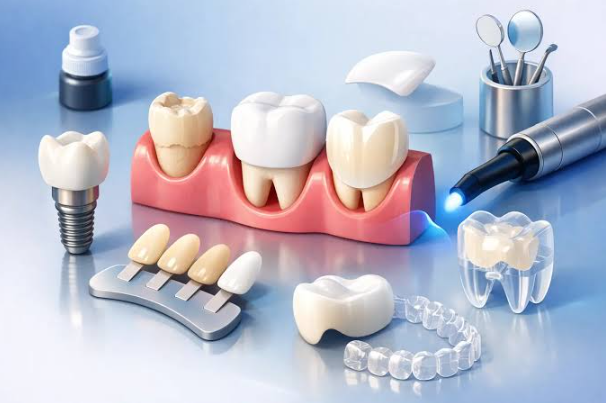
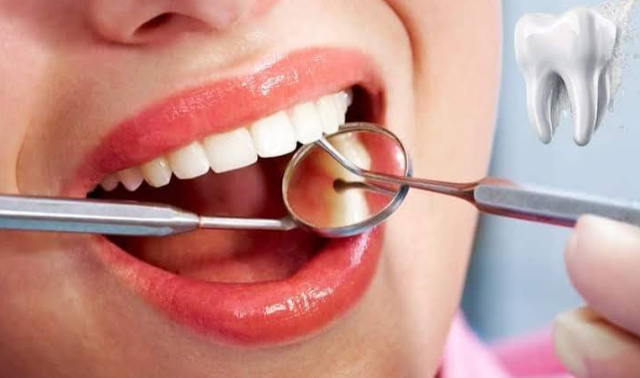
The fourth is routine dental care with a family dentist. Cleanings, exams, X-rays when needed, fluoride support, and early treatment can prevent discomfort and protect long term oral health. This matters for every age group. Young children may need help with brushing habits and cavity prevention. Teens may need monitoring around orthodontic concerns or wisdom teeth. Adults may need support for grinding, gum health, or worn fillings. Older adults may need help preserving comfort and function. So, where does that leave you? It means prevention works best when it is not limited to one kind of appointment.
How do these preventive care options compare when you are planning for your family?
It can help to see these services side by side, especially when time and money are both on your mind. Here is a simple way to think about them.
| Service | What It Helps Prevent | Who It Helps | Why It Matters Early |
|---|---|---|---|
| Routine medical checkups | Missed chronic conditions, unmanaged stress, delayed treatment | Children, adults, older adults | Builds a health baseline and catches changes before symptoms grow |
| Vaccinations | Serious infectious diseases and community spread | All age groups | Protection works best before exposure happens |
| Screening tests | Silent issues like high blood pressure, diabetes, some cancers | Depends on age and risk | Many conditions are easier to treat when found early |
| Family dentist visits | Cavities, gum disease, dental pain, costly emergency care | Children through older adults | Small oral health issues can become painful and expensive if ignored |
If you have ever had to scramble for last minute care, you already know the pattern. Preventive visits tend to be more predictable. Emergency care often is not. A simple cleaning or exam usually takes less time, costs less than major treatment, and causes less disruption than waiting until someone is in pain. The same is true for many screenings and medical checkups. Prevention does not promise a perfect outcome, but it does improve your odds.
What can you do right now to make family preventive care feel manageable?
1. Start with the overdue appointment. Do not try to solve everything in one day. Pick the visit that is most overdue, whether that is a checkup, vaccine review, screening, or dental exam. One scheduled appointment often creates momentum for the rest.
2. Build one family health calendar. Keep annual exams, cleanings, and vaccine dates in one place. When appointments live on scattered reminder cards and text messages, they are easier to miss. A shared calendar makes family preventive care feel less like guesswork and more like a routine.
3. Ask what is age appropriate. Not every person needs the same service at the same time. At your next medical or dental visit, ask what screenings, vaccines, and follow up care make sense based on age, history, and risk. That question alone can save time and keep you from missing something important.
See also: How Consultants Integrate Strategy Across All Business Levels
Could a simple prevention plan make the next year easier?
In many homes, the answer is yes. When care is planned instead of postponed, you often get fewer surprises, fewer urgent problems, and more peace of mind. That is true whether you are booking a routine checkup, reviewing vaccine needs, asking about screenings, or seeing a family dentist for regular care. Small steps count, and they count even more when they happen before pain or illness forces the issue.
If your family has been meaning to get back on track, this is a good time to start. Schedule the next preventive visit, ask what care is due, and keep moving one appointment at a time.