
You might already know the feeling. One child is nervous, another is asking a dozen questions, and you are trying to keep everyone calm while also wondering whether you chose the right dentist in Silver Spring, MD in the first place. A dental visit can carry a lot of weight for a family, because it is never just about clean teeth. It is about trust, routine, money, time, and the hope that nobody leaves more anxious than when they arrived.
That is why Why Family Dentists Focus On Comfort And Familiarity matters so much. When a practice creates a steady, welcoming experience, patients of all ages are more likely to keep appointments, speak up about concerns, and build healthy habits that last. In simple terms, comfort helps people come back, and familiarity helps them feel safe enough to accept care.
Why does comfort matter so much in a family dentist setting?
It helps to start with a simple truth. Many people do not avoid the dentist because they do not care. They avoid it because they feel tense, embarrassed, short on time, or worried about what they might hear. For children, that stress can be even stronger, especially if the place feels strange or rushed. For adults, old memories or fear of cost can make a regular visit feel harder than it should.
Because of this tension, a family dental office often puts real effort into making visits feel predictable and calm. The same front desk faces, the same care team, and the same style of communication can lower stress before treatment even begins. When people know what to expect, they tend to ask better questions and feel less defensive. That can make a routine cleaning easier, but it can also help when a bigger issue comes up.
The public health side of this matters too. The CDC explains the importance of oral health as part of overall health, which means delaying dental care can affect more than your smile. When comfort leads to regular visits, problems are often caught earlier, when they are easier and less costly to treat.
See also: How General Dentistry Focuses On Long Term Prevention
What does familiarity change for kids and adults?
Familiarity is not just a nice touch. It can shape behavior. A child who sees the same team over time begins to learn that the dental office is not a threat. A parent who feels heard is more likely to keep follow up visits. A grandparent with sensitive teeth may be more willing to mention pain if they trust the person asking.
This is one reason the idea of a dental home matters. The American Academy of Pediatric Dentistry describes a dental home as an ongoing relationship that supports care that is accessible, family centered, and consistent. That kind of continuity can ease fear and improve follow through, especially for children who need time to warm up to new settings.
So, where does that leave you if your family has mixed needs? It often means a family-friendly dental care approach works well because it meets people where they are. A teenager may want privacy and direct answers. A younger child may need gentle language and short explanations. An adult may want a clear plan with no surprises. Familiarity gives the care team a better sense of how to respond to each person.
How do family dentists create a more comfortable experience?
Comfort is usually built through small, steady choices. The team may explain each step before starting, keep language simple, and watch for signs that someone needs a break. They may also use behavior guidance methods that help children feel more secure during treatment. The AAPD behavior guidance recommendations outline ways dental teams can reduce fear and support cooperation without adding pressure.
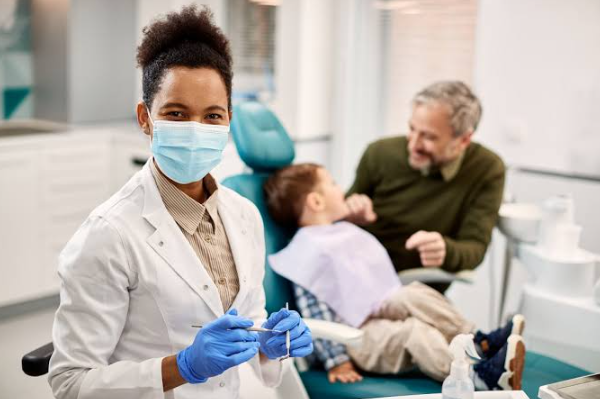
Think about the difference between two visits. In one, a child is rushed into a chair, hears unfamiliar words, and senses that everyone is in a hurry. In the other, the child is greeted by name, shown the tools in a calm way, and given a moment to settle in. The treatment may be the same, but the experience is not. That difference can shape whether the next visit begins with fear or confidence.
This is also why many families prefer a family dentist instead of juggling separate offices for children and adults. It can reduce scheduling stress, create a stronger sense of continuity, and help everyone see dental care as part of normal life rather than a series of isolated events.
What practical differences should you look for in a family dental office?
It can be hard to judge comfort from a website or a phone call alone, so it helps to compare what a visit feels like in real terms. Here are a few signs that often separate a rushed experience from a more supportive one.
| What to Compare | Less Comfortable Experience | More Familiar, Supportive Experience |
|---|---|---|
| Communication | Fast explanations, limited time for questions | Clear language, step by step guidance, space to ask questions |
| Care for Children | One approach for every child | Age appropriate language and behavior guidance |
| Continuity | Different providers each visit | Consistent team that gets to know your family |
| Scheduling | Separate offices and repeated paperwork | Shared care under one roof when possible |
| Emotional Impact | More fear, more avoidance | More trust, better follow through |
What can you do right now to find the right fit?
1. Notice how the office talks to you. Pay attention from the first call or message. Are your questions answered with patience? Do they explain care in a way that makes sense? A good family dental practice often shows its values before you ever sit in the chair.
2. Ask about comfort and routine. It is okay to ask how the office helps nervous children, anxious adults, or patients with past bad experiences. You are not being difficult. You are trying to protect your family’s long term health.
3. Think beyond the next cleaning. Try to choose a place that can support regular visits over time. The best match is often not the office that feels flashy. It is the one where your family feels known, respected, and comfortable coming back.
Could the right family dentist change more than your appointments?
Yes, and often in quiet ways. When dental care feels familiar, people stop bracing for every visit. Children learn that checkups are normal. Adults are more likely to deal with small issues before they become painful and expensive. Over time, that steady sense of trust can change your family’s relationship with oral health for the better.
If you have been putting off care because it all feels like too much, that feeling makes sense. Still, comfort and familiarity are not extras. They are part of what helps families stay consistent, ask for help, and get the care they need. If you are ready, take the next step and find a family dentist who makes your household feel welcome from the start.