
You might not think much about your teeth when nothing hurts, and that is often how problems begin. Life gets busy, cleanings get pushed back, and brushing can start to feel like one more task at the end of a long day. Then a little sensitivity shows up, or your gums bleed when you floss, and suddenly you are wondering whether a small issue has been growing quietly for months. That worry is real, and it is exactly why prevention matters. At its core, how general dentistry focuses on long term prevention comes down to finding small problems early, lowering your risk of bigger treatment later, and helping you keep your natural teeth healthy for as long as possible. If you are looking for a dentist in Chalfont, PA, regular visits can make that prevention plan much easier to maintain.
A general dentist is not only there to fill cavities after they happen. The larger goal is to help you avoid disease, pain, and avoidable costs before they take hold. When you look at it that way, routine dental care becomes less about reacting and more about protecting your health over time.
Why does preventive dental care matter before anything feels wrong?
It is easy to assume that no pain means no problem. The hard part is that tooth decay, enamel wear, and gum disease often start quietly. You may not notice a cavity until it reaches a deeper layer of the tooth. You may not realize your gums are inflamed until brushing starts to sting or your breath changes. Because of this, preventive dental care works best when it starts before symptoms push you into the chair.
Think about what happens when prevention is delayed. A missed cleaning can mean more plaque buildup. Plaque that sits too long can harden into tartar, which you cannot remove at home. Inflamed gums can progress into periodontal disease, and a small cavity can become a crown or root canal. The emotional side matters too. Dental treatment gets harder to face when it feels urgent, expensive, or tied to pain.
So, where does that leave you? In a better place than you might think. A steady relationship with a general dentist gives you regular checkups, cleanings, X rays when needed, and guidance that fits your habits, age, and risk level. That is how long term oral health prevention takes shape. It is not one big fix. It is a series of small, smart choices that protect you over time.
See also: 3 Cosmetic Dentistry Treatments Ideal For Busy Parents
How does a general dentist help prevent bigger problems later?
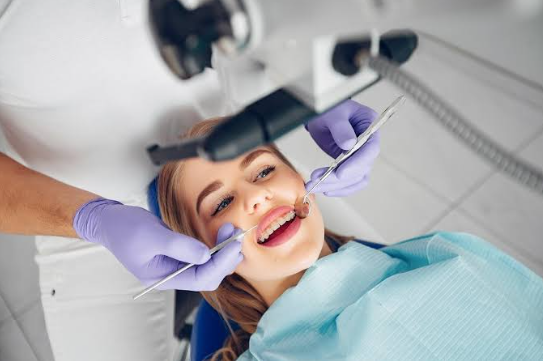
Prevention in general dentistry often starts with the basics, though those basics carry real weight. Professional cleanings remove buildup that brushing and flossing miss. Exams can catch chips, weak fillings, early decay, bite issues, and signs of gum disease before they become harder to treat. For many adults, that early attention can mean the difference between a simple visit and a major procedure.
Your dentist may also talk with you about fluoride, which helps strengthen enamel and lower the risk of decay. The CDC explains how fluoride protects teeth, especially when used as part of a daily routine. That does not mean every patient needs the same plan. Someone with dry mouth, frequent snacking, or a history of cavities may need closer monitoring than someone with low risk.
There is also the home care side, which matters more than many people realize. The CDC shares oral health tips for adults that support what happens in the office, including brushing twice a day with fluoride toothpaste, cleaning between teeth, and avoiding tobacco. The National Institute of Dental and Craniofacial Research also outlines daily oral hygiene habits that help reduce plaque and protect gums.
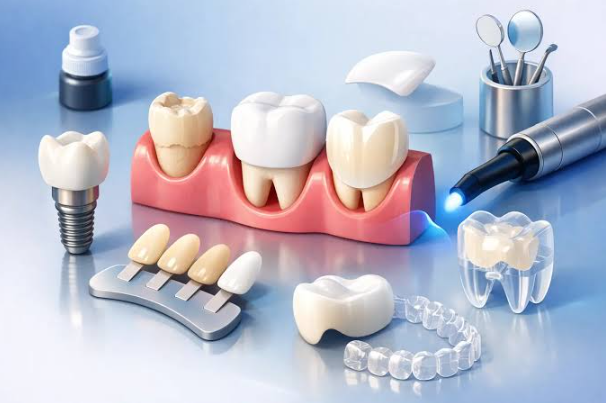
What if you already have dental work? Prevention still matters. Fillings, crowns, and implants need monitoring. A general dentist checks whether older work is holding up, whether your gums are stable, and whether your bite is placing extra pressure on certain teeth. In that sense, general dentistry is not just about preventing the first problem. It is also about preventing repeat problems.
What is the difference between home care and professional general dentist visits?
Home care is your first line of defense, but it cannot replace professional care. The two work best together. One supports your mouth every day, and the other catches what daily routines can miss.
| Approach | What It Helps With | What It Cannot Fully Do |
|---|---|---|
| Brushing and flossing at home | Removes daily plaque, lowers cavity risk, supports gum health | Cannot remove hardened tartar or diagnose hidden decay |
| Fluoride toothpaste and rinses | Strengthens enamel and helps prevent early decay | Does not repair advanced cavities or gum disease |
| Routine dental cleanings | Removes tartar, polishes teeth, tracks changes over time | Cannot help much if visits are too infrequent and home care is poor |
| Dental exams and X rays | Finds early cavities, bone loss, failing dental work, and other concerns | Cannot prevent disease without follow through at home |
This is where many people feel stuck. They brush, they try to do the right thing, and they still end up needing treatment. That does not mean you failed. It usually means oral health is shaped by more than effort alone. Diet, medications, stress, grinding, genetics, and access to care all play a role. A general dentist helps you understand those patterns so your prevention plan is built around real life, not perfect habits.
What can you do now to support long term prevention?
1. Get clear on your current risk.
If it has been a while since your last dental visit, start there. Ask about your cavity risk, gum health, old fillings, and whether you show signs of grinding or enamel wear. Once you know what is happening now, your next steps become much easier to manage.
2. Tighten up one daily habit.
You do not need to change everything at once. Choose one habit you can keep. Brush for a full two minutes, floss each night, switch to fluoride toothpaste, or cut back on frequent sugary drinks. Small changes done every day often matter more than big changes you cannot maintain.
3. Treat prevention as a cost saver, not an extra.
It can be tempting to delay routine care when money is tight. Still, a cleaning and exam are often far less stressful than dealing with advanced decay, infection, or tooth loss. Preventive care protects your health, your time, and often your budget too.
How can long term prevention change your dental future?
When you understand how general dentistry focuses on long term prevention, routine care starts to feel less like a chore and more like a way to stay ahead of trouble. You do not need a perfect mouth or a perfect routine. You just need a plan that catches problems early, supports healthy habits, and helps you protect what you have.
If you have been putting off care, you are not alone, and you do not have to solve everything at once. Start with one appointment, one question, and one better habit. Over time, that is often enough to shift your dental health from constant catch up to steady protection.