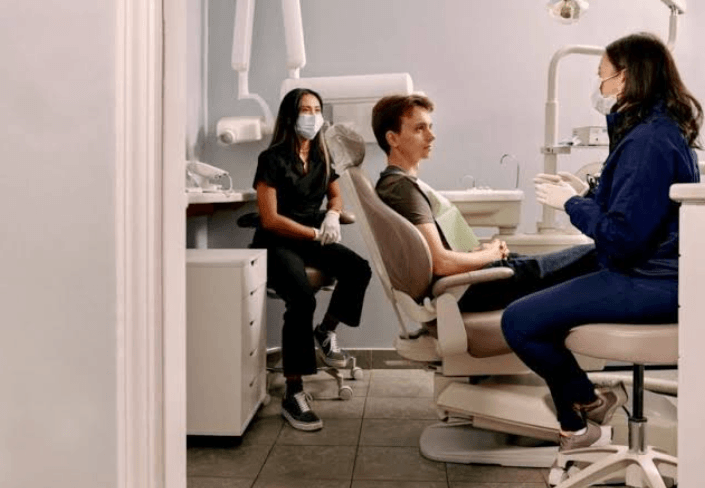

You might not think about a dental emergency until something hurts, swells, cracks, or starts bleeding at the worst possible time. One day your mouth feels fine, and the next you are trying to figure out whether the pain can wait until morning. That kind of stress is real, and it often comes with a second worry right behind it, which is how serious this might become and how much it could cost. In moments like these, it helps to have a Chattanooga dentist for the whole family.
That is why preventive care matters so much. The short version is simple. Routine care from a general dentist can catch small problems before they turn into urgent ones. Through exams, cleanings, early treatment, and guidance you can actually use at home, many emergencies can be reduced or avoided. If you have ever wondered how a general and emergency dentist helps prevent trouble before it starts, the answer often comes down to steady, practical care.
Why do small dental problems turn into emergencies so fast?
A lot of oral health issues begin quietly. A cavity may not hurt at first. Gum disease can start with mild bleeding that seems easy to ignore. A cracked tooth may feel like nothing more than sensitivity when you drink something cold. Because the early signs can seem minor, it is easy to put them off.
But where does that leave you if the problem keeps moving? A small cavity can deepen and reach the nerve, leading to infection and severe pain. Inflamed gums can worsen, making teeth feel loose or causing swelling. A weak filling can fail while you are eating dinner, turning an inconvenience into an urgent visit. In many cases, the emergency is not sudden at all. It is the result of a problem that had time to grow.
According to the CDC’s oral health tips for adults, daily brushing, flossing, healthy habits, and regular dental care all play a part in lowering the risk of oral disease. Those steps may sound basic, but they are often what stands between a manageable issue and a painful surprise.
How do routine exams help general dentists stop emergencies early?
One of the clearest ways dentists prevent urgent problems is by finding signs you may not notice on your own. During a dental exam, your dentist checks for decay, gum disease, damaged restorations, bite issues, and changes in the soft tissues of your mouth. If needed, X rays can reveal problems below the surface, such as decay between teeth or infection near the root.
This matters because pain is not always the first warning sign. A tooth can be damaged long before it becomes unbearable. A preventive dental care plan gives your dentist a chance to step in early, when treatment is often simpler and less stressful. The MedlinePlus overview of dental exams explains how routine checkups help identify issues before they become harder to treat.
What are the 5 ways general dentists prevent emergencies with preventive care?
1. Regular cleanings reduce decay and gum disease. Plaque and tartar build up even when you brush well. Professional cleanings remove what home care cannot, lowering the chance of cavities and gum infections that can lead to pain or swelling.
2. Early cavity treatment stops deeper infection. A small filling is much easier than dealing with a root canal, abscess, or extraction. Catching decay early protects the tooth structure and lowers the risk of sudden pain.
3. Monitoring worn, cracked, or weak teeth prevents breakage. Teeth under pressure from grinding, clenching, or old dental work can fracture when you least expect it. A general dentist can spot those risks and recommend a crown, night guard, or repair before the tooth breaks.
4. Gum care lowers the chance of swelling and tooth loss. Bleeding gums are not just annoying. They can signal inflammation or infection. Ongoing gum care can keep that irritation from becoming a serious problem that affects comfort and stability.
5. Home care guidance helps you avoid repeat problems. Many people are not taught the best way to brush, floss, or protect sensitive areas. The National Institute of Dental and Craniofacial Research oral hygiene guidance offers simple habits that support the work your dentist does in the office. Good daily care is one of the strongest forms of emergency prevention.
What does preventive care look like compared with waiting until something hurts?
When life gets busy, waiting can feel easier. But the tradeoff is often bigger than it seems. A small issue that could have been handled during a routine visit may turn into lost time, stronger pain, and more involved treatment. If you are weighing whether regular care is worth it, this comparison can help.
| Situation | Preventive Care Approach | Wait Until It Hurts Approach |
| Early cavity | Found during exam and treated with a small filling | May progress to nerve pain, infection, or need for root canal |
| Bleeding gums | Cleaning and gum care plan reduce inflammation | Can worsen into swelling, recession, or loose teeth |
| Cracked filling or worn tooth | Repair or crown may prevent breakage | Tooth may fracture during eating and require urgent care |
| Jaw clenching or grinding | Night guard and monitoring protect teeth | Can lead to chips, pain, and damaged dental work |
What can you do right now to lower your risk of a dental emergency?
Schedule routine visits before something feels wrong. If it has been a while, that does not mean you failed. It just means now is a good time to restart. Consistent checkups are one of the best ways to support emergency prevention in dentistry.
Take small warning signs seriously. Sensitivity, bleeding gums, pain when chewing, or a rough edge on a tooth may not seem urgent today, but they can point to a bigger issue on the way. Getting them checked early often makes treatment easier.
Strengthen your daily habits at home. Brush twice a day with fluoride toothpaste, clean between your teeth daily, and limit frequent sugary snacks and drinks. If you grind your teeth or play sports, ask about a protective guard. These steps support both your routine care and any emergency dental services you may want to avoid needing.
See also: How Consultants Integrate Strategy Across All Business Levels
So, how can you protect yourself from the next dental surprise?
You do not need to wait for a painful wake up call to take your oral health seriously. Most emergencies start as small issues that had time to grow, and regular care gives you a better chance of stopping them early. A trusted dentist can help you catch decay, manage gum problems, protect weak teeth, and build habits that keep your mouth more stable over time.
If something has been bothering you, or if it has simply been too long since your last visit, now is a good time to act. Preventive care is not just about keeping teeth clean. It is about protecting your comfort, your time, and your peace of mind.