
Dishwashing is one of those household tasks that happens almost every day. Between soap, sponges, brushes, water, and packaging, the products used at the kitchen sink can add up over time. Making a few practical changes can create a simpler dishwashing routine without making the task more complicated.
One option worth considering is eco dishwashing soap. Alongside reusable cleaning tools and thoughtful water use, a different type of dish soap can become part of a more mindful kitchen routine.
Start With the Dish Soap
Dish soap is used frequently, so the type of product kept beside the sink can have a noticeable role in everyday cleaning habits.
Traditional liquid soap often comes in plastic bottles and is dispensed repeatedly throughout the day. Solid alternatives offer a different format. An eco friendly dishwashing soap can be useful for households interested in reducing their reliance on conventional liquid cleaning products.
A solid format also takes up relatively little space around the sink. Instead of keeping a large bottle beside the dishes, the soap can be stored on a suitable dish or tray that allows excess water to drain away.
See also: 4 Cosmetic Dentistry Procedures That Improve Function And Appearance
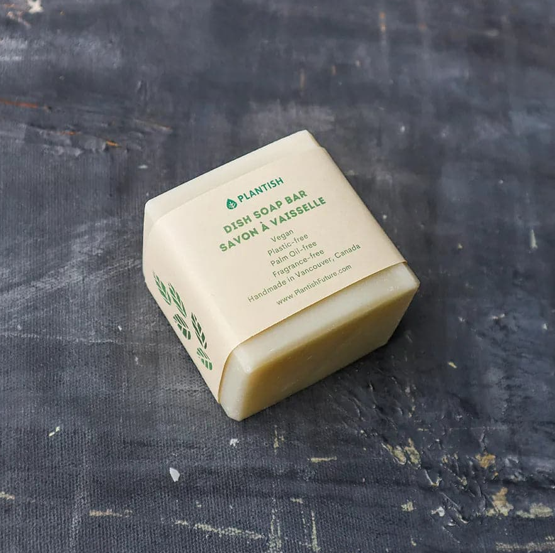
Try Solid Dish Soap
Solid dish soap works differently from bottled liquid detergent, but the basic purpose remains the same: helping remove grease, food residue, and other material from dishes and cookware.
A dish soap bar can be worked into a sponge, brush, or cloth before washing. The amount of product used can be controlled according to the dishes being cleaned.
Because the bar is concentrated into a solid format, proper storage becomes particularly important. Allowing it to dry between uses can help prevent it from becoming unnecessarily soft.
A small draining soap dish can provide a simple place to keep the bar between washing sessions.
Choose Reusable Cleaning Tools
Soap is only one part of the dishwashing setup. The sponge or brush used alongside it also deserves attention.
An eco sponge can be an alternative to conventional kitchen sponges for everyday cleaning. Having a dedicated cleaning tool makes it easier to work with solid soap and can keep the dishwashing area organized.
Different dishes may also require different tools. A soft sponge can work for everyday plates and cups, while a brush may be more convenient for cookware or areas that are difficult to reach.
The best choice depends on the dishes in your kitchen and how you prefer to wash them.
Consider a Natural Loofah Sponge
For people who prefer plant-based cleaning materials, a loofah dishwashing sponge can be another option for kitchen cleaning.
Loofah has a textured surface that can be useful for scrubbing dishes and cookware. It can also be used with solid dish soap to create a simple two-product washing setup.
A natural loofah dish sponge should still be cared for properly between uses. Rinse it thoroughly after washing and place it somewhere where it can dry instead of leaving it submerged in water.
Use the Right Amount of Water
Changing cleaning products is only one part of a more thoughtful dishwashing routine. Water use matters too.
Leaving the tap running continuously while scrubbing can use more water than necessary. Instead, consider filling a basin or one side of the sink when appropriate, or turning the tap off while working on dishes.
The amount of water needed will depend on the number of dishes and the cleaning method. A small load may only require a modest amount, while larger cookware can require more rinsing.
The goal is simply to avoid wasting water when it is not needed.
Scrape Food From Plates First
Removing leftover food before washing can make the cleaning process easier. Large pieces of food can be scraped into the appropriate waste container rather than being rinsed directly down the drain.
This can reduce the amount of residue that needs to be removed with soap and water.
For plates with dried-on food, soaking can also help. Instead of repeatedly scrubbing the same area, let the dish sit in water for a suitable amount of time before washing it.
This can make cleaning easier without requiring additional cleaning products.
Organize Dishes Before Washing
The order in which dishes are washed can affect how easy the task feels.
Start with items that are relatively clean, such as glasses and cups, before moving toward plates and then greasier cookware. This can help keep the washing water cleaner for longer.
Large pots and pans can be left to soak while smaller dishes are being washed. By the time you reach the cookware, some of the residue may have loosened.
A simple order can make a routine dishwashing session feel more manageable.
Keep Your Cleaning Tools Dry
Good storage is useful for reusable kitchen cleaning products. A sponge or brush that remains constantly wet may not dry properly between uses.
After washing dishes, rinse the cleaning tool thoroughly and place it somewhere with good drainage and airflow.
This is particularly useful for solid cleaning products. A dish cleaning brush can be stored upright or in a position where water can drain away.
Keeping the sink area organized also makes it easier to notice when a tool needs cleaning or replacement.
Reduce Unnecessary Packaging
Packaging is another consideration when choosing household cleaning products. Products that come in reusable or reduced-packaging formats can be attractive to shoppers who are trying to simplify the amount of packaging used around the home.
Solid dish soap is one example. Instead of a traditional bottle, a bar can be stored in a compact container or dish.
The same principle can apply to other areas of the household. Looking at how products are packaged, how often they need replacing, and how they are stored can help households make more deliberate purchasing decisions.
Give Kitchen Sponges and Brushes a Purpose
Using one cleaning tool for every task is not always necessary. Separating tools by purpose can help extend their usefulness and keep the kitchen more organized.
For example, one sponge may be reserved for everyday plates and cups, while a tougher brush can be used for cookware.
A dish cleaning soap can be paired with different tools depending on the task. This allows the same solid soap to work across several types of dishes without requiring multiple bottles of different cleaning products.
Clear organization also makes it easier for everyone in the household to follow the same routine.
Build a Routine That Is Easy to Maintain
An eco-conscious dishwashing routine does not need to involve a long list of complicated rules. A few consistent habits can make a difference in how the kitchen operates.
Use an appropriate amount of soap, avoid leaving the tap running unnecessarily, scrape food from dishes before washing, and allow reusable cleaning tools to dry properly.
Small changes are easier to maintain when they fit naturally into the way the household already works.
The products matter, but the routine around those products matters too.
A Simpler Kitchen Sink Setup
A practical dishwashing station can be surprisingly simple. A solid dish soap bar, one or two suitable cleaning tools, and a draining place for everything can be enough for many everyday washing tasks.
An eco dishwashing soap can form the foundation of that setup, while options such as an eco sponge or natural loofah provide alternatives to conventional cleaning accessories.
The rest comes down to habits: using water thoughtfully, cleaning tools after use, and storing products so they can dry properly.
Creating a more eco-friendly dishwashing routine does not require replacing everything in the kitchen at once. Starting with one product or one habit and gradually adjusting the rest of the routine can make the change easier to maintain.