
You may be looking at one tooth that bothers you every time you smile, or maybe it started with a cleaning and turned into a bigger conversation about stains, worn edges, old fillings, and bite problems. That is a frustrating place to be. Most people do not walk into a dental office thinking in categories like cosmetic or general care, including general dentistry in Temecula. You just want your teeth to look better, feel better, and last.
That is why combining cosmetic and general dentistry often leads to the strongest outcome. One side focuses on health and function. The other focuses on appearance. When those goals work together, you are less likely to end up with dental work that looks nice but fails early, or work that is technically sound but still leaves you hiding your smile.
Family and cosmetic dentistry works best when health and appearance are planned together
A brighter smile means very little if decay is still active under an old restoration. Straight-looking teeth can still chip or wear down if your bite is off. You see this often when someone wants veneers, bonding, or whitening before dealing with gum inflammation, cracked fillings, grinding, or missing teeth. The cosmetic fix may look good at first, but the foundation is weak.
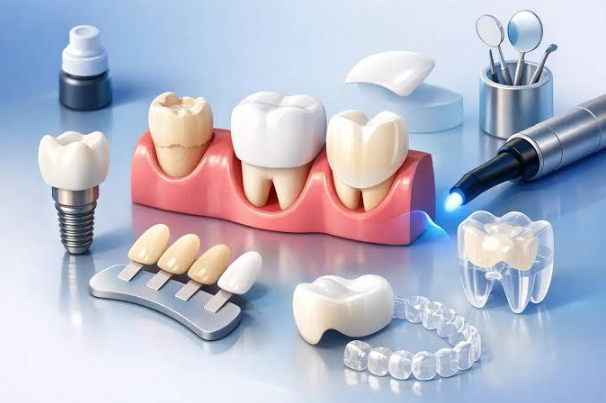
General dental care handles the basics that protect everything else. Exams, cleanings, fillings, gum care, bite checks, and restorative treatment all support the long-term success of any cosmetic work. Cosmetic treatment then builds on that healthy base, improving shape, color, spacing, and symmetry in a way that feels natural instead of forced.
This is the real value of an integrated approach. Your dentist is not treating one tooth in isolation. Your dentist is looking at how your gums frame your smile, how your back teeth support your bite, how restorations fit together, and how materials will hold up over time.
Cosmetic improvements last longer when general dentistry problems are treated first
You might be tempted to focus on the part you can see. That makes sense. If the front teeth are chipped or stained, that is what draws your attention. The trouble is that hidden issues often decide whether cosmetic treatment succeeds.
If you whiten teeth with untreated cavities, sensitivity can get worse. If you place veneers on teeth with active grinding, they can fracture. If you close gaps without checking gum health, inflammation can change the look of the final result. Even something as simple as replacing an old filling can affect smile design because the color, contour, and surface texture need to match the surrounding teeth.
This is where restorative dentistry matters. Schools and specialists in restorative dentistry focus on rebuilding teeth so they function properly while preserving appearance. That overlap is not cosmetic on one side and health on the other. It is both at once.
Materials matter too. Modern dental ceramics, composites, and adhesives have improved a great deal, which gives patients more durable and natural-looking options than in the past. Research supported by the National Institute of Dental and Craniofacial Research on dental materials has helped move dentistry toward restorations that are stronger, more aesthetic, and more conservative of natural tooth structure.
General and aesthetic dental care reduces rework, surprise costs, and uneven results
Many people assume splitting treatment into separate tracks saves money. Sometimes it does the opposite. If cosmetic work is done before basic issues are stabilized, you may pay twice. A crown may need replacement because the bite was never corrected. Bonding may stain unevenly because oral hygiene was not under control. Whitening may disappoint because the real issue was shape, not color.
General and aesthetic dental care tends to be more efficient because the plan is coordinated from the start. You know which problems need treatment first, which cosmetic changes are realistic, and which steps can be phased over time if budget matters. That can mean fewer surprises and less regret.
| Approach | Short Term Result | Long Term Risk | Likely Benefit |
| Cosmetic treatment alone | Faster visual improvement | Missed decay, bite problems, gum issues, early failure | Useful when oral health is already stable |
| General treatment alone | Health and function improve | Smile concerns may remain unresolved | Strong foundation for future upgrades |
| Combined cosmetic and general dental care | Health, comfort, and appearance addressed together | Requires more planning upfront | Better fit, more natural look, stronger durability |
The best results usually come from sequencing care well. A patient might start with periodontal treatment and replacing worn fillings, then move to whitening, contouring, or veneers once the gums are healthy and the bite is stable. Another patient may need a crown in a visible area, where function and beauty have to be solved in the same visit. That is what a good cosmetic dentist working within full-scope dental care is really doing.
Clear treatment planning helps you make better decisions
Good planning lowers stress because it turns a vague problem into a clear path. You can compare options based on cost, longevity, maintenance, and how much tooth structure each treatment requires. You can also decide what matters most to you. Some people want the most conservative treatment possible. Others want the biggest visual change. Many want a middle ground that looks polished without looking overdone.
This matters in family care too. A practice that provides a wide range of services can often spot patterns early, from grinding in teenagers to failing dental work in adults to gum recession that changes the appearance of the smile over time. Preventive care and cosmetic goals do not compete with each other. They support each other.
See also: 3 Cosmetic Dentistry Treatments Ideal For Busy Parents
Three steps help you move forward with confidence
Ask for a full-mouth evaluation. If you are considering whitening, veneers, bonding, or crowns, ask for an exam that includes gum health, bite function, old restorations, and signs of wear. This helps reveal issues that could shorten the life of cosmetic work.
Request a phased treatment plan. You do not need to do everything at once. Ask which treatments protect your health first, which improve appearance next, and which can wait. A phased plan makes budgeting easier and keeps the end result more predictable.
Discuss materials and maintenance. Ask what each option is made from, how long it typically lasts, how it may stain or wear, and what daily care it needs. The right choice is not just the one that looks best on day one. It is the one that still works for your life years from now.
If you feel torn between fixing dental problems and improving your smile, you do not have to choose one or the other. The best care usually blends both. A healthy bite, stable gums, and well-restored teeth give cosmetic treatment something solid to stand on, and that is how results become more natural, more comfortable, and more durable. If you are ready to improve your smile, schedule a visit with a family and cosmetic dentist and ask for a plan that treats both function and appearance together.