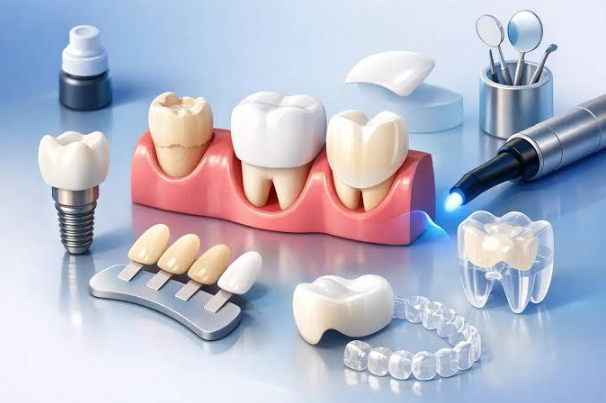

You see your front teeth every time you look in the mirror, and if one is chipped, uneven, worn down, or darker than the rest, it can pull your eye straight to it. That frustration is real. You want your smile to look better, but you do not want to trade appearance for jaw pain, tooth sensitivity, or a bite that suddenly feels off every time you chew. For patients exploring implant dentistry in Hanford, CA, those concerns about comfort and function matter just as much as appearance.
That balance is the heart of good cosmetic dental work. A skilled family and cosmetic dentist does not focus only on shape and color. They also check how your upper and lower teeth meet, how your front teeth guide your jaw when you speak and chew, and whether any change will put too much force on one tooth. How dentists protect the bite while improving the look of front teeth comes down to planning first, then choosing the least aggressive treatment that gives you a natural result.
Front tooth cosmetic work succeeds when function comes first
Front teeth do more than show when you smile. They help you bite into food, support speech, and guide the jaw as it moves side to side and forward. If a front tooth is made too thick, too long, or shaped without regard to your bite, the problem does not stay cosmetic. You may start noticing clicking, soreness, faster wear on nearby teeth, or a crown or veneer that chips because it is taking force it was never meant to handle.
You might already know this feeling in a smaller way. Maybe you had a filling that felt “high” and your whole mouth seemed irritated until it was adjusted. Cosmetic changes can create the same issue if they are done without checking contact points and jaw movement.
This is why a dentist looks at more than the tooth that bothers you. They examine wear patterns, enamel thickness, gum position, old restorations, clenching habits, and whether your bite is stable. In some cases, a small bonding repair is enough. In others, veneers or crowns make more sense, but only after the dentist confirms the tooth can handle that treatment safely.
If you are considering veneers, it helps to understand both the cosmetic upside and the long term commitment. The University of Rochester Medical Center explains when veneers may be a good option and why case selection matters.
Protecting the bite often means choosing less treatment, not more
People often assume the best smile result comes from doing the most work. That is not always true. If your tooth has a minor chip, edge bonding may preserve more natural structure and keep your bite more stable than placing a full veneer. If the tooth is badly broken, heavily filled, or weakened, a crown may offer better support. According to MedlinePlus information on dental crowns, crowns can restore shape, strength, and appearance when a tooth needs more coverage.
The concern is not only what looks good on day one. It is what still works two years later when you are eating, talking, and sleeping with the same habits you have now. Someone who grinds at night may break thin cosmetic work if that grinding is ignored. Someone with edge to edge bite contact may need careful reshaping and protection so the front teeth are not overloaded.
Improving front teeth appearance without harming your bite often means the dentist slows the process down. They may take photos, models, digital scans, or bite records. They may show you a mock-up before any permanent treatment begins. That extra planning can save you from expensive repairs and constant adjustments later.
Different front tooth treatments affect the bite in different ways
Not every cosmetic option changes bite risk in the same way. Material thickness, how much enamel is removed, and where the teeth touch all matter. A review of veneer restorations in the NCBI Bookshelf outlines how preparation design, bonding, and occlusion influence long term success in esthetic treatment of front teeth. You can read more about those clinical considerations for veneers and related restorations.
| Treatment | Best For | Bite Impact | Main Tradeoff |
|---|---|---|---|
| Bonding | Small chips, minor shape changes, small gaps | Usually low when kept conservative and polished correctly | Can stain or chip sooner than porcelain |
| Veneers | Color changes, worn edges, moderate shape correction | Can work well if thickness and contacts are planned carefully | Often requires permanent enamel alteration |
| Crowns | Teeth with large fillings, cracks, or major structural loss | Higher need for precise bite design because the whole tooth shape changes | More tooth reduction than bonding or veneers |
| Orthodontic alignment before cosmetics | Crowding, spacing, uneven tooth position | Often improves force distribution before cosmetic finishing | Takes more time |
Cosmetic dentistry for front teeth works best when treatment matches the condition of the tooth, not just the photo in your head. A bright, even smile that feels wrong when you bite is not a good outcome.
Three steps help you protect both appearance and function
Ask for a bite focused exam. Do not limit the conversation to shade and shape. Ask how your front teeth contact, whether you show signs of grinding, and whether the proposed treatment adds thickness or changes guidance. A good dentist should be able to explain this in plain language.
Start with the most conservative option that fits. If bonding can solve the problem well, that may be the better first move. If veneers or crowns are recommended, ask why a smaller treatment would not last or would not protect the tooth.
Plan for protection after treatment. If you clench or grind, a night guard may protect your new dental work and your natural teeth. If your bite needs minor adjustment after placement, go back promptly. Small pressure points tend to become bigger problems when ignored.
A better smile should still feel like your own bite
The best front tooth work does not announce itself every time you chew. It blends into your smile and into your life. You should be able to speak clearly, bite comfortably, and stop thinking about that one tooth all day.
If you are weighing veneers, bonding, crowns, or another front teeth smile enhancement option, look for a family and cosmetic dentist who treats appearance and bite as the same conversation. That is how you protect your teeth, your comfort, and the result you are paying for.