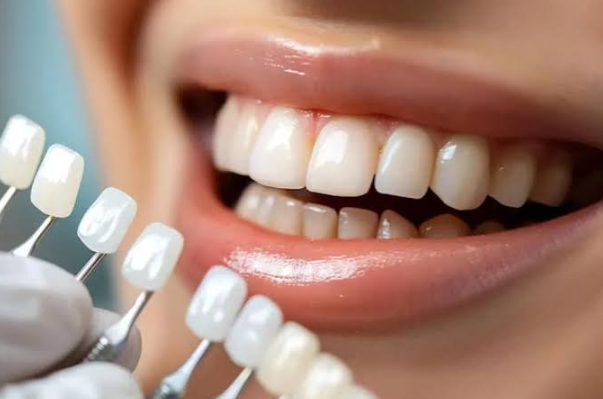

You may have spent years putting dental visits off, then one missing tooth became two, chewing got harder, and smiling in photos started to feel uncomfortable. That pattern is common. Life gets busy, money gets tight, and dental care slips down the list until the problem is no longer easy to ignore. If you are thinking about restoring missing teeth after years away from routine dental care, Grand Rapids dental implants may be one option to consider. You are not starting too late. You are starting from where you are now, and that is enough.
Missing teeth affect more than appearance. They can change how you eat, how clearly you speak, and how much pressure the rest of your teeth have to handle. The CDC explains that tooth loss can affect daily life and overall oral function, which is why replacing missing teeth often becomes about comfort and health, not vanity. The good news is that an implant and family dentist can usually build a plan in stages, even if you have not had routine care in a long time.
Missing teeth often come with guilt, delay, and more damage over time
People who have been away from the dentist for years often expect judgment. What they usually need is a clear starting point. A missing tooth rarely stays a single issue. Nearby teeth can drift into the open space, your bite can change, and the jawbone in that area may shrink over time. You might chew more on one side without noticing, then start feeling soreness, cracks, or wear in other teeth.
The emotional side is real too. You may cover your mouth when you laugh, avoid certain foods in public, or keep telling yourself you will deal with it after one more busy season. Delay has a cost. Problems that begin with one gap can turn into gum disease, broken teeth, or a bite that no longer feels stable. That does not mean you should panic. It means the first visit matters because it gives you facts instead of fear.
An exam after a long gap in care often includes X rays, a gum health check, and a discussion about what you want your teeth to do for you. Some people want a fixed option that feels close to a natural tooth. Others want the lowest upfront cost so they can eat comfortably again. Replacing lost teeth is not one single treatment. It is a set of choices shaped by bone support, gum health, budget, and how many teeth are missing.
Tooth replacement options depend on your mouth, your goals, and your budget
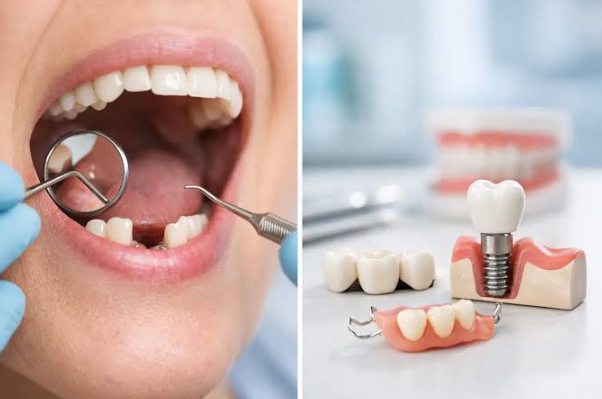
If you are missing one or several teeth, the main options are often dental implants, bridges, or dentures. An implant replaces the tooth root and supports a crown. A bridge fills the space by using nearby teeth for support. Dentures can replace many or all missing teeth and may be removable. MedlinePlus offers a useful overview of dentures and how they restore function when several teeth are gone.
Each option solves a different problem. If the teeth next to the gap are healthy, preserving them may matter more, which can make implants appealing. If you need a faster or lower cost solution, a bridge or denture may fit better. If gum disease or untreated decay is present, those issues usually need attention first. That can feel frustrating when you want the missing tooth fixed right away, but stable gums and healthy supporting teeth give any restoration a better chance to last.
People often ask for the “best” option, but the best option is the one your mouth can support and you can realistically maintain. A beautiful implant will not help much if active gum disease goes untreated. A denture can be life changing if it lets you eat, speak, and smile with less stress. A skilled tooth replacement plan looks at the whole mouth, not just the empty space.
Comparing common choices for replacing missing teeth
| Option | Best Fit | Main Benefits | Main Limits |
|---|---|---|---|
| Dental Implant | One or more missing teeth with enough bone and healthy gums | Feels secure, helps support jawbone, does not rely on nearby teeth | Higher upfront cost, takes more time, may require bone grafting |
| Dental Bridge | Missing tooth with strong neighboring teeth | Usually faster than an implant, fixed in place, restores chewing | May require shaping nearby teeth, does not replace the root |
| Partial or Full Denture | Several or all missing teeth, especially when budget is a major concern | Lower upfront cost, replaces multiple teeth at once, non surgical option | May feel less stable, can need adjustments, does not stop bone loss the same way implants can |
For someone who has avoided care for years, the right answer is often phased treatment. You might start with cleaning, gum treatment, or removing teeth that cannot be saved. Then you move into a bridge, denture, or implant plan. That approach spreads out cost and makes the process feel possible instead of overwhelming.
Small, clear steps make dental restoration easier to face
Schedule a diagnostic visit, not a full commitment. You do not need to decide on treatment before you walk in. Ask for an exam, X rays, and a written plan with priorities. That first appointment is about finding out what is urgent, what can wait, and what options fit your health and budget.
Ask for staged treatment with costs broken down. If you need several things done, ask what should happen first. A good plan separates infection control, gum care, and tooth replacement into phases. That gives you a realistic path forward and helps you avoid paying for a solution before the mouth is ready for it.
Choose the option you can maintain. Daily cleaning, follow up visits, and bite checks matter. If a removable denture is what you can manage now, that is a valid step. If you want an implant later, say so. Many people begin with one solution and move to another when their health and finances allow it.
Getting back to care can change more than your smile
There is no perfect time to come back after years away from routine dental care. There is only the point where living with missing teeth becomes harder than facing the appointment. Once you know what is going on, the fear usually shrinks. An implant and family dentist can help you sort out what can be saved, what should be replaced, and what order makes sense. If you have been putting this off, take the first step and schedule an evaluation for a plan that restores comfort, function, and confidence.