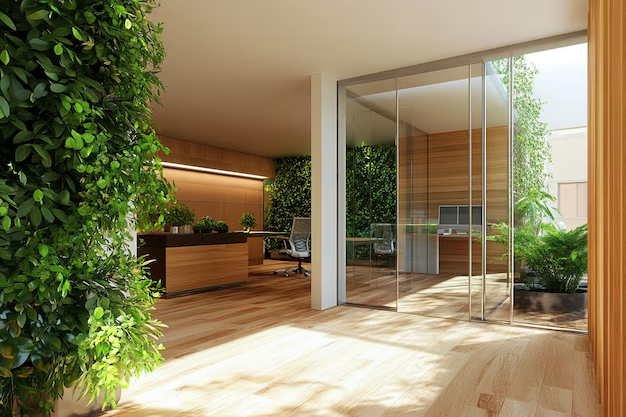

A well-designed interior door can do more than separate one room from another. It can shape the flow of a home, introduce character, and help distribute daylight across spaces. Steel interior doors with glass offer all three benefits in one design. Their slim frames, large glass panels, and strong visual lines suit a range of interiors, from traditional homes to contemporary apartments. Native Doors offers door designs that combine the strength of steel with the openness of glass, creating practical room dividers that also become part of the interior design.
A Strong Architectural Detail for Interior Spaces
Steel has a distinctive appearance that sets it apart from wood, aluminum, and other common door materials. Its narrow profiles create clean lines without making the surrounding room feel visually crowded. The result is a door that can define a space while maintaining an open appearance.
The material also works well with different interior styles. Black steel frames can complement neutral walls, warm wood flooring, exposed brick, concrete finishes, and minimalist furniture. A more understated finish can work in spaces where the door should blend into the overall design rather than stand out.
Glass panels soften the heavier appearance that a solid steel door might create. They provide transparency while the frame supplies structure and definition. This combination makes the door useful as both a functional feature and an architectural accent.
Bringing More Daylight Into the Home
Natural light can change the way an interior looks and feels. Rooms with limited windows often depend heavily on artificial lighting, especially during the morning and afternoon. A glass-panel door can allow available daylight to pass between connected spaces.
For example, a hallway may receive very little direct sunlight while an adjacent living room has large windows. A steel-framed glass door between the two areas can allow some of that daylight to reach the hallway without removing the separation between the rooms.
The same idea works between kitchens and dining areas, bedrooms and dressing spaces, home offices and living rooms, or entryways and interior halls. Instead of treating each room as an isolated box, glass doors allow light to travel through the home.
Creating Separation Without Closing Off a Room
Open floor plans provide a sense of spaciousness, but completely open layouts are not always practical. Different activities often require some degree of separation. A home office may need to be separated from a busy living area, while a kitchen may benefit from a physical barrier that limits cooking smells.
Steel and glass doors offer a middle ground. The door establishes a clear boundary but preserves visual connection between spaces. Someone working behind a closed door can still see the surrounding room, while people outside can see that the office is occupied.
This quality makes glass doors especially useful for smaller homes. A solid wall or traditional door can make an already compact area feel enclosed. Transparent glass helps maintain sightlines, making the overall floor plan appear more connected.
Options for Different Levels of Privacy
Clear glass is only one option. Homeowners can select different glass treatments depending on the room and desired level of privacy.
Frosted glass reduces visibility while continuing to transmit natural light. Textured or patterned glass can provide a decorative appearance while making the contents of a room less visible. Tinted glass can introduce a subtle change in color and atmosphere.
For a home office, lightly textured glass may offer enough privacy for focused work. In a bathroom or bedroom, frosted glass can provide greater visual separation. Clear glass may be ideal for a dining area where maintaining an open connection is more important than privacy.
The steel frame and glass type can therefore be selected together according to the purpose of the room.
A Natural Match for Contemporary Interiors
Interior trends may change, but strong architectural lines tend to remain useful across different design periods. Steel-framed glass doors have a visual quality that works particularly well with contemporary interiors because of their simple geometry.
A grid of slim steel muntins can create a strong pattern across a large opening. Minimal framing can produce a lighter appearance. Full-height doors can draw the eye upward and make ceilings appear taller.
These doors also pair easily with contrasting materials. A steel frame against white walls creates a crisp appearance, while steel next to natural timber introduces a balance between industrial and warm elements. Stone, tile, plaster, and concrete can all work with the same basic door style.
This flexibility allows the door to remain useful even when other elements of the room are updated.
Making Smaller Rooms Feel More Spacious
A room does not need to physically become larger to feel more open. Sightlines have a major effect on how people perceive interior space.
A solid door blocks the view beyond it. Glass maintains that visual connection. From a hallway, for instance, a glass door can provide a view into the living room, making both areas feel connected. The same principle can work in a home office, bedroom suite, or dining space.
Full-height glass panels can strengthen this effect because they provide a larger uninterrupted visual area. Slim steel frames help preserve the openness while still giving the doorway a defined shape.
For apartments and smaller houses, this can be particularly useful because every visual connection contributes to a more spacious interior.
Choosing the Right Steel and Glass Combination
The appearance of a steel interior door depends on more than the basic frame design. Several details can influence the finished look.
Frame color is one of the most noticeable choices. Dark finishes create strong contrast and emphasize the door’s geometry. Lighter finishes can provide a softer appearance.
Glass division is another consideration. Large uninterrupted panes offer a cleaner look, while multiple smaller panes create a more traditional or industrial character. The size and arrangement of the panels should suit the proportions of the opening.
Hardware should also complement the frame. Handles, hinges, and other visible components can either blend with the steel or provide a deliberate contrast.
The right combination depends on the architecture of the home and the role the door will play in the room.
Practical Benefits Beyond Appearance
A good interior door should serve a practical purpose as well as look attractive. Steel provides a strong frame, while glass makes it possible to maintain visibility and light between rooms.
Glass doors can also make it easier to monitor spaces. Parents may appreciate the ability to see into a playroom from an adjacent area. A homeowner working in an office can remain visually connected to the rest of the household without leaving the door open.
For rooms that need occasional privacy, doors can be closed without making the surrounding areas feel completely disconnected.
Maintenance is another consideration. Glass can generally be cleaned with standard glass-cleaning products, while properly finished steel frames can be maintained with routine dusting and gentle cleaning.
Where These Doors Work Best
Steel and glass interior doors can be used throughout a home. Their versatility makes them suitable for both large openings and smaller doorways.
Common applications include:
- Home offices that need visual separation from living areas.
- Kitchens divided from dining or family rooms.
- Bedrooms connected to dressing areas.
- Entryways that benefit from borrowed natural light.
- Hallways leading into brighter living spaces.
- Dining rooms that need separation without losing openness.
- Home libraries or study areas requiring a defined boundary.
The most effective placement is often an area where a solid door would interrupt light or make the floor plan feel more closed.
See also: 3 Cosmetic Dentistry Treatments Ideal For Busy Parents
Adding Character Without Overdecorating
Some rooms need very little decoration when the architecture itself provides visual interest. A steel-framed glass door can fill that role without requiring additional ornaments, patterns, or elaborate finishes.
The frame creates rhythm through its vertical and horizontal lines, while the glass keeps the overall feature visually light. This balance works especially well in interiors that rely on simple furniture and restrained decoration.
A carefully selected door can also connect different parts of a home. Repeating the same frame finish elsewhere, such as in stair railings, window frames, or furniture details, can create a consistent visual language.
A Design Choice That Supports Everyday Living
Interior doors influence how people move through and experience a home. They control privacy, sound, light, and visual connection, so their design deserves more attention than simply selecting a door that fits an opening.
Steel and glass provide an appealing balance between openness and separation. They can introduce daylight into darker areas, maintain sightlines between rooms, and add architectural definition without making a space feel heavy.
For homeowners considering this style, the best starting point is the room’s function, available light, desired privacy, and existing materials. From there, frame finishes, glass treatments, panel arrangements, and hardware can be selected to create a cohesive result.
Native Doors can help homeowners consider these design details and find an option suited to their interior. For guidance on choosing a style, finish, and glass configuration, contact us today and discuss your requirements with the team. A well-selected steel and glass door can give a room practical separation while adding light, structure, and lasting visual character.